
Our Work
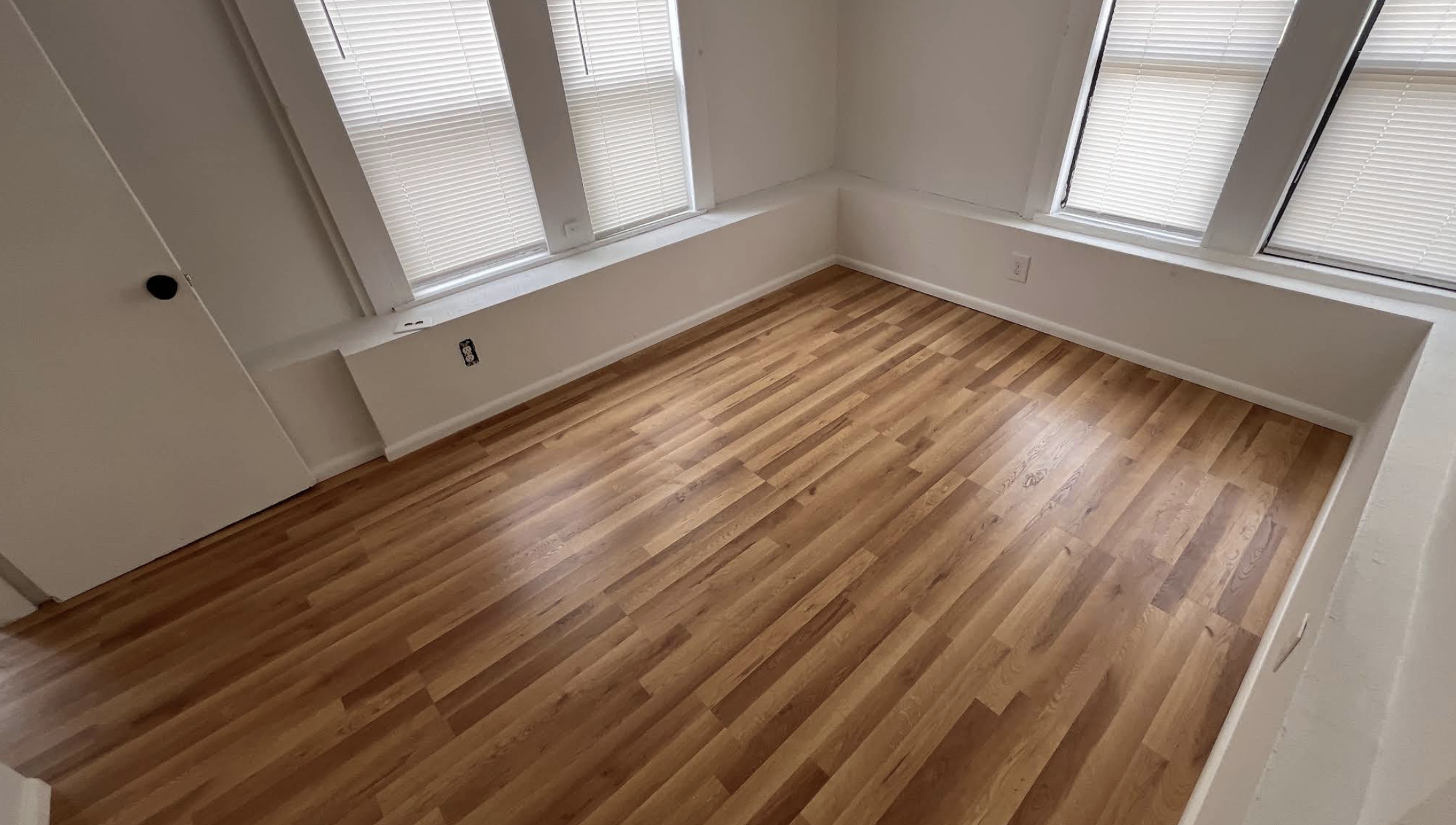
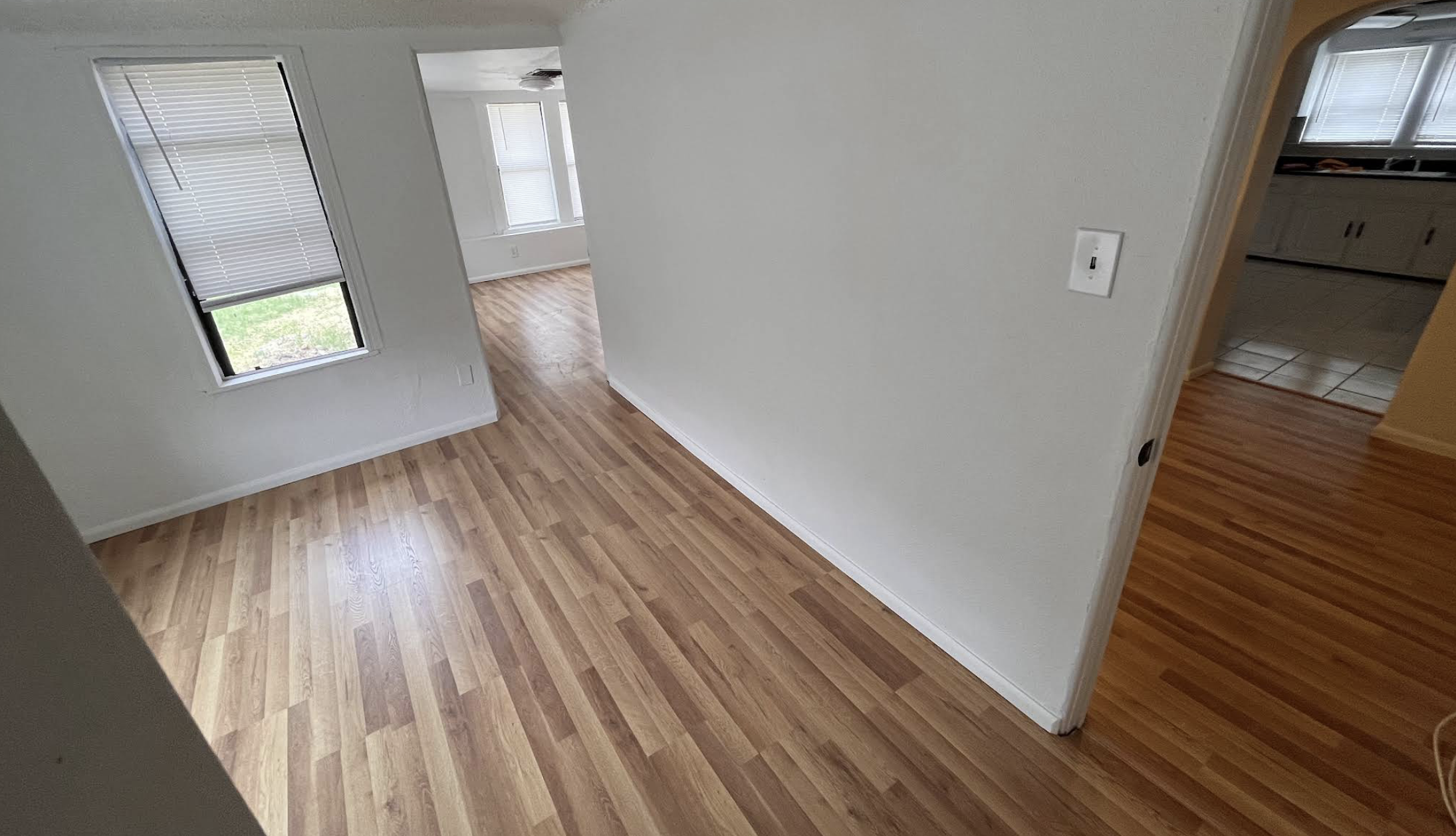
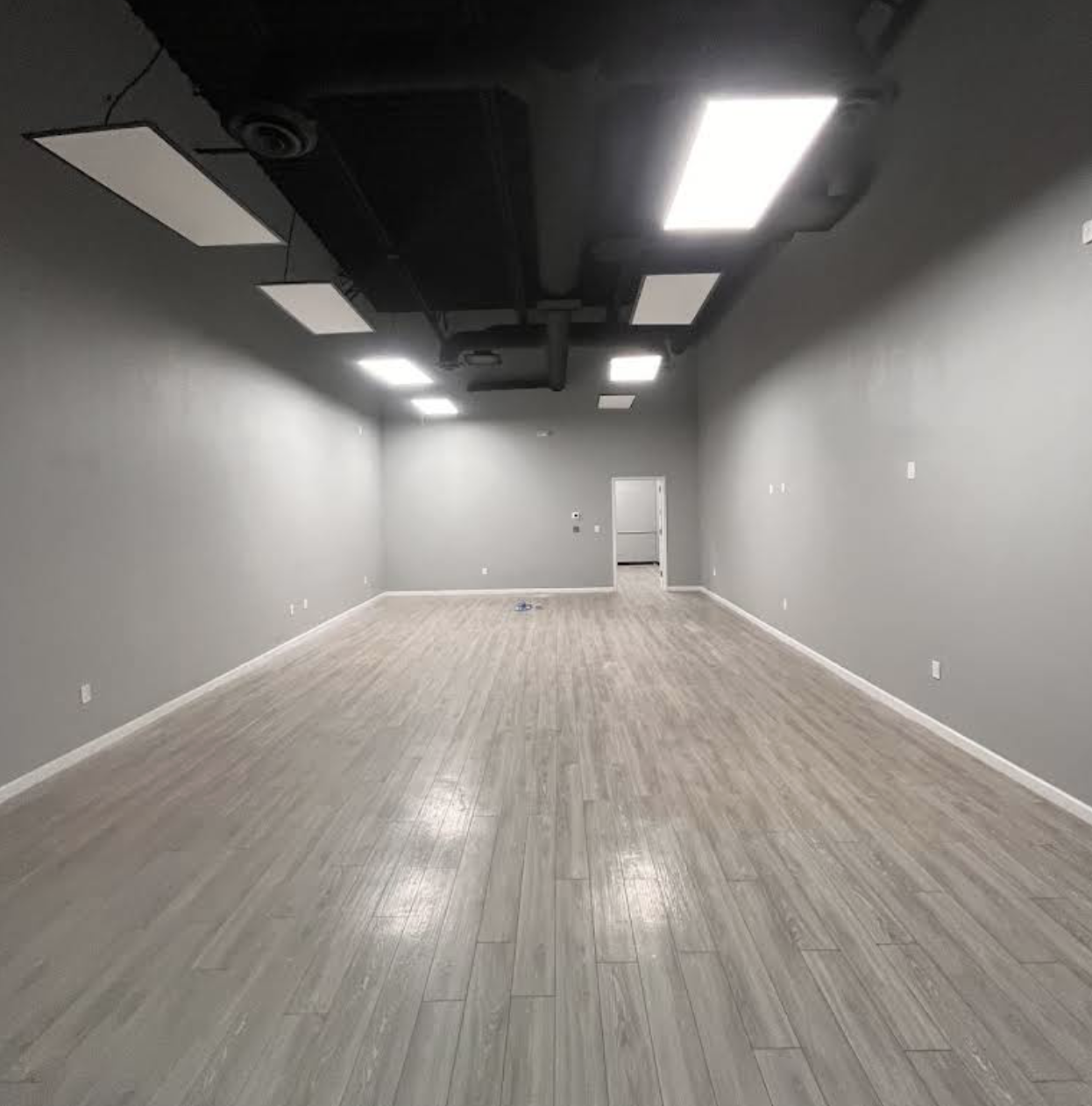
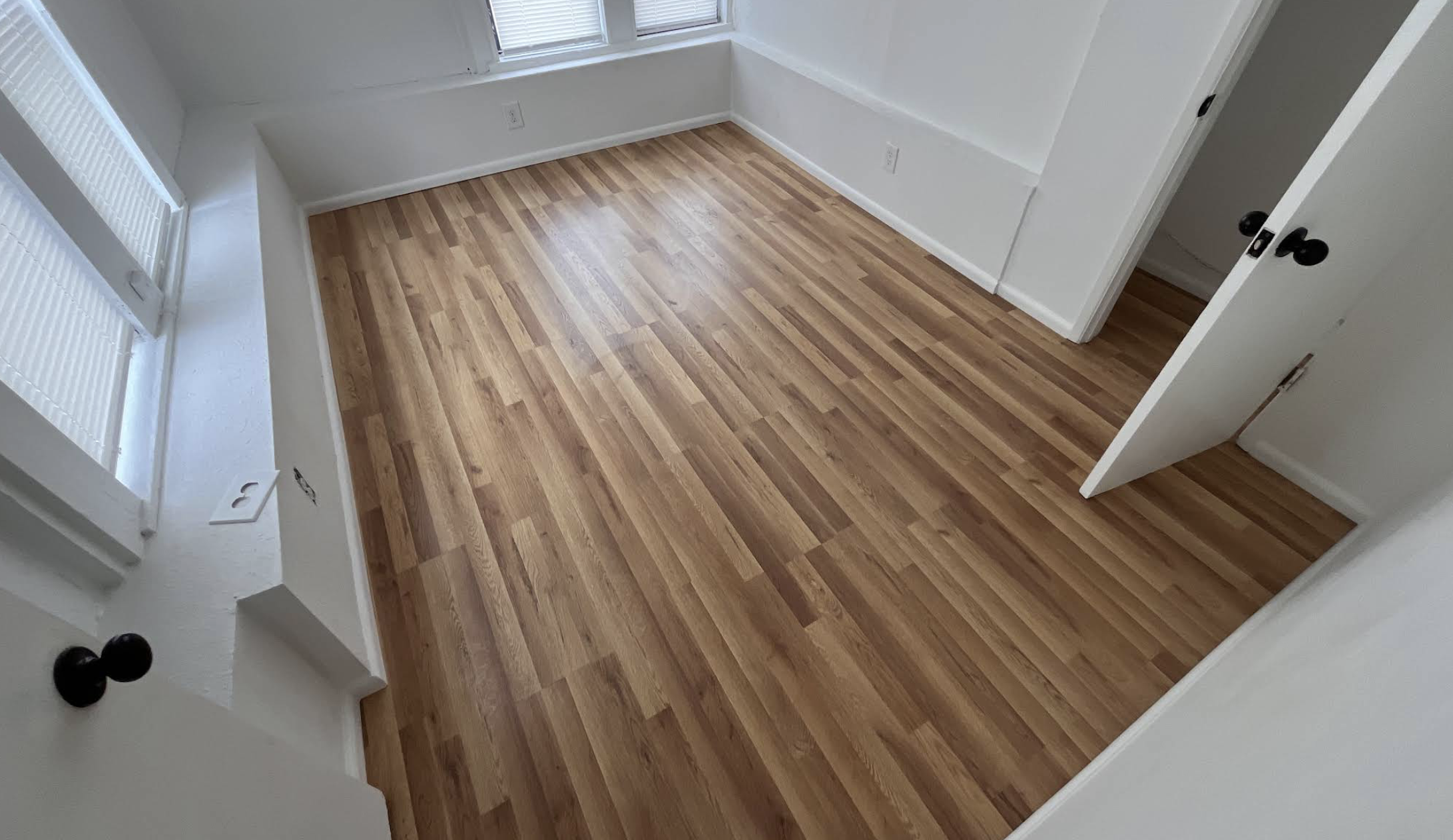
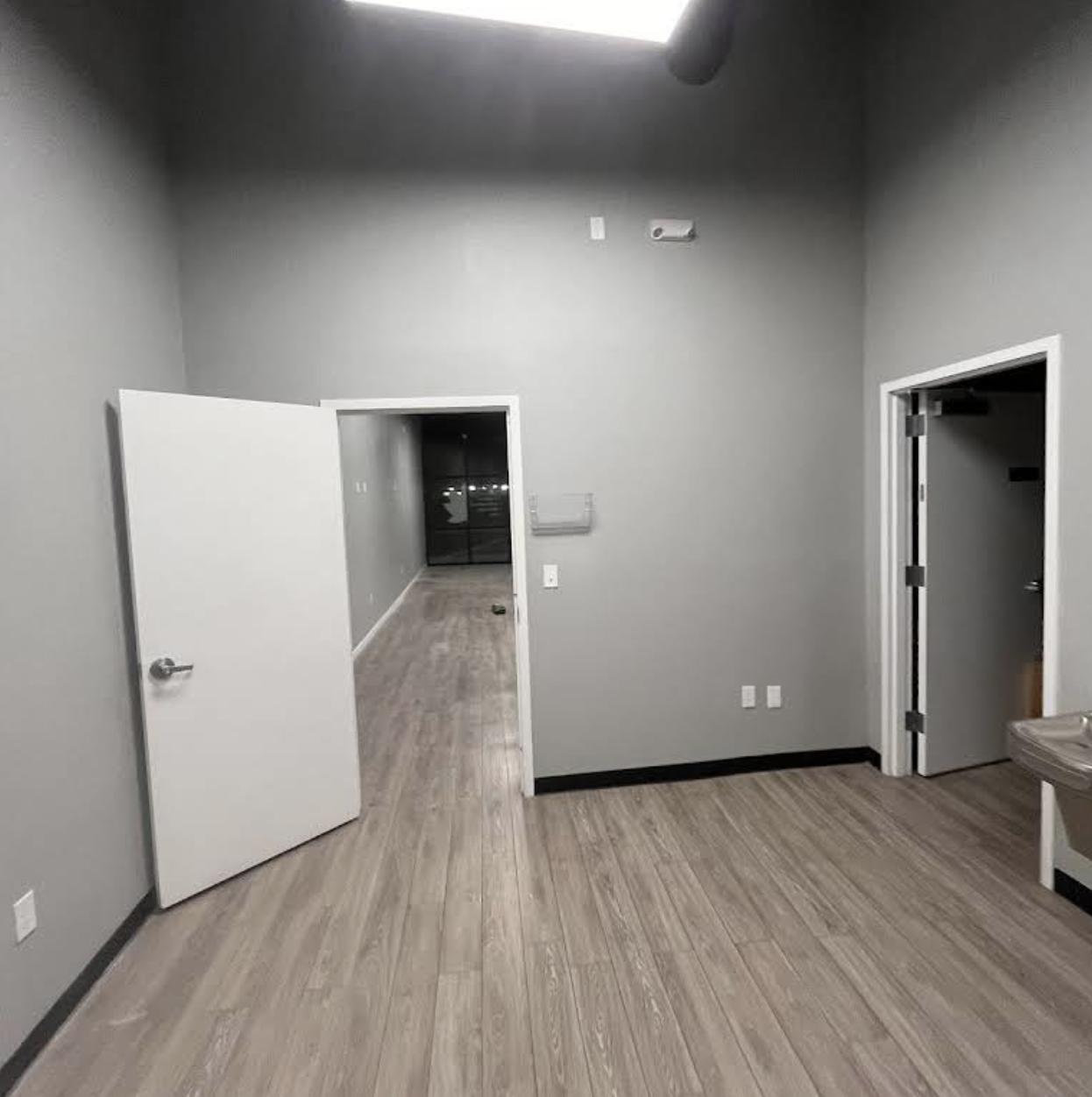
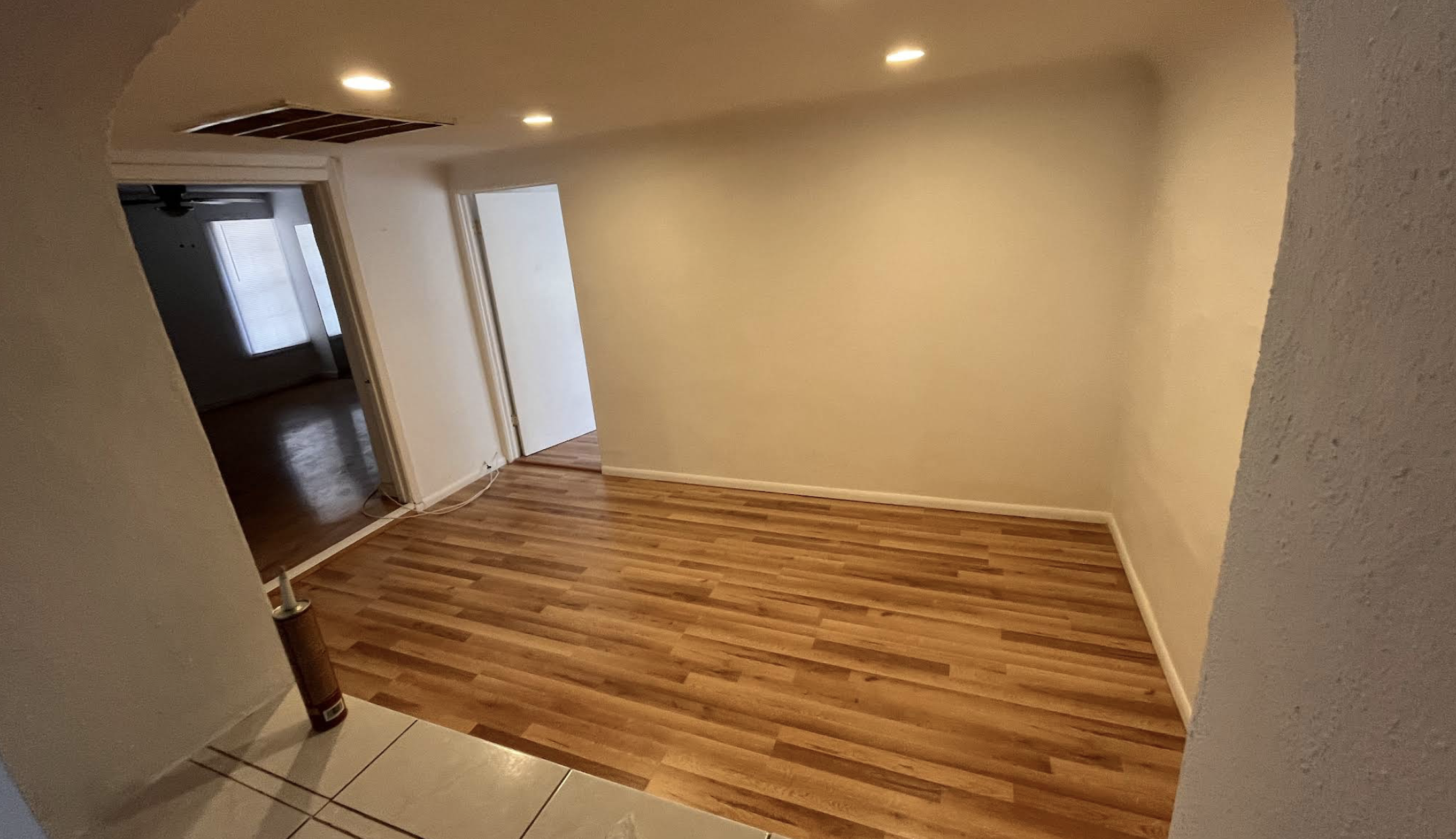
Rehab and renovation mortgages streamline the home-buying process by bundling the property's purchase price (or refinance amount) and the construction budget into a single loan. Rather than assessing the home in its present condition, underwriters evaluate the property using its projected After-Repair Value (ARV). This unique structure allows borrowers to immediately generate equity while tailoring an aging property to their exact needs.
- Common Loan Types: The most widely used options include the Federal Housing Administration's FHA 203(k) loan—offered as a "Standard" package for structural overhauls or a "Limited" track for purely aesthetic upgrades—and Fannie Mae's HomeStyle Renovation loan. Eligible military members can also take advantage of specialized VA Renovation options.
- Buying Uninhabitable Properties: You can absolutely purchase a home that is currently unlivable. Both the FHA 203(k) and Fannie Mae HomeStyle programs waive the habitability requirement at closing. Furthermore, they allow you to roll up to six months of mortgage payments directly into the loan so you don't have to pay out of pocket while the property is under construction.
- Draw Schedules and Contingency Reserves: Funds for the construction are not handed over all at once. Instead, lenders release funds in staggered phases known as draws, which are paid out to your builder only after the work successfully passes formal inspections. Additionally, borrowers must establish a contingency reserve—typically 10% to 20% of the total project budget—to serve as a financial safety net for unforeseen repairs.
- The 30% Guideline: To prevent over-improving a property, this budgeting benchmark advises homeowners to keep the total cost of any single remodeling project under 30% of the home's overall current market value.
- Average Rehabilitation Costs: Major interior mechanical overhauls (such as replacing HVAC, electrical wiring, and plumbing systems) generally range from $30 to $50 per square foot. Total expenses largely depend on whether you preserve the original floor plan or tear down walls to reconfigure the space.
- Loan Restrictions and Exclusions: Renovation programs focus on structural integrity and basic livability. Consequently, options like the FHA 203(k) explicitly ban luxury additions. You cannot use these funds to build swimming pools, outdoor kitchens, or built-in barbecue areas.
- Essential Contract Elements: Any legally binding construction agreement must explicitly outline a detailed scope of work, set budgets for materials, and establish a payment timeline aligned with project milestones. It should also define how change orders are handled, detail warranties and building permits, and provide proof of the builder's liability insurance.
- Handling Project Delays and Surprises: Renovation bumps are inevitable. To keep your project on track, rely strictly on your pre-funded contingency account, never authorize modifications mid-project without a signed, written change order, and refuse to release draw payments until a milestone is fully completed.
- Evaluating Pricing Fairness: To guarantee you are getting a competitive rate, always gather at least three detailed, line-item bids from licensed and insured local general contractors to cross-reference their pricing.